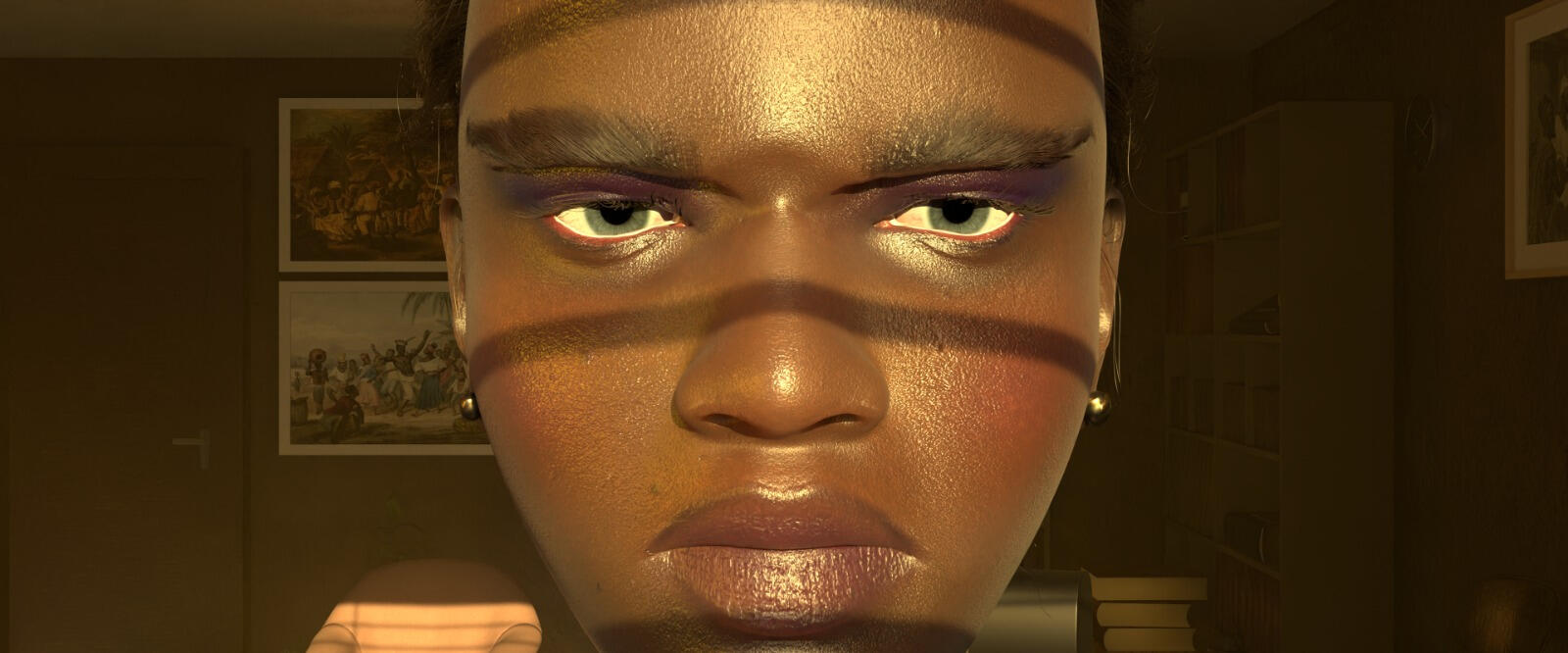
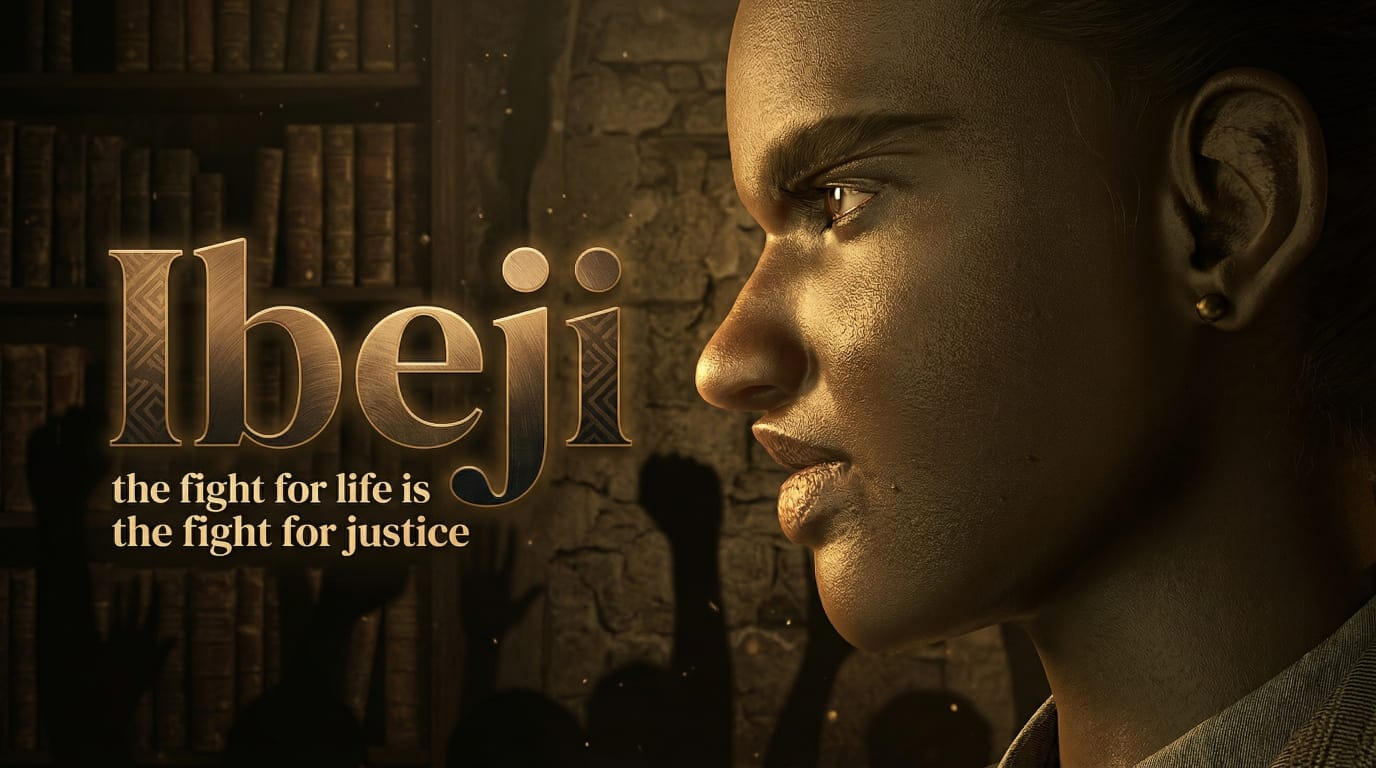
IBEJÍ
An animated documentary film inspired by African history and lived experience.
Logline
A human‑rights activist retraces the erased history of twin killings in southeastern Nigeria, uncovering a legacy of resistance that reshapes her understanding of culture, identity, and activism.
Synopsis
IBEJÍ follows Taiwo Lawal, a human‑rights activist born and raised in Calabar, whose Yoruba grandparents migrated from Ile‑Ife. Living between cultures where twins were once reviled or revered, Taiwo returns to Calabar to confront the historical trauma surrounding twin killings. Through archival material, oral histories, and reconstructed scenes, the film explores the tension between belief systems, the courage of mothers and reformers, and the enduring fight to protect vulnerable women and children.
Director's Statement
IBEJÍ was created to preserve history across generations and to recognise the collective efforts behind social change. Rather than focusing on a single figure, the film approaches the history of twin killings in southeastern Nigeria as a movement shaped by many individuals and communities. Told through the perspective of Taiwo Lawal, a human‑rights activist born and raised in Calabar with Yoruba ancestry, the film explores cultural tension from within. Animation allows space for memory, oral history, and absence, treating history as lived, complex, and sustained through collective action.
Cultural Context
In Yoruba culture, twins—known as Ibeji—have historically been regarded as sacred beings and symbols of fortune. In contrast, some communities in southeastern Nigeria once viewed twins as portents of danger, leading to practices of abandonment or killing. IBEJÍ explores these contrasting belief systems without simplification, highlighting how cultural norms evolve through resistance, dialogue, and empathy.
FILM DETAILS
Format:
Animated DocumentaryThemes:
History, memory, culture, collective resistanceSetting:
Calabar and southwestern NigeriaLanguage:
EnglishStatus:
Festival submissions underway
FESTIVAL & SCREENINGS STATUS
Festival submissions underwayPlanned private, curated screenings with cultural and academic communitiesPublic online release planned following festival screenings